
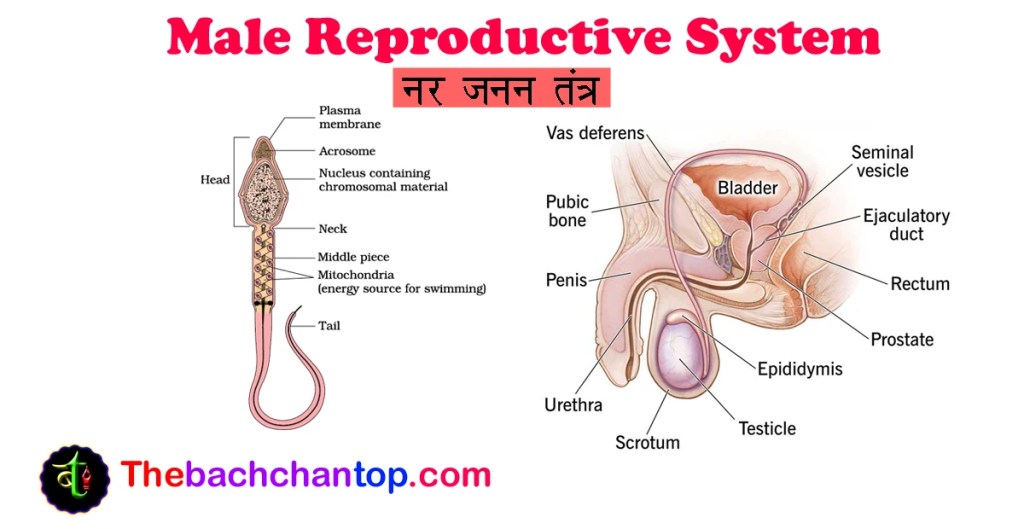
1. What is Reproduction?
Reproduction is the biological process through which living organisms produce new individuals of their own kind.
It is essential for continuity of life.
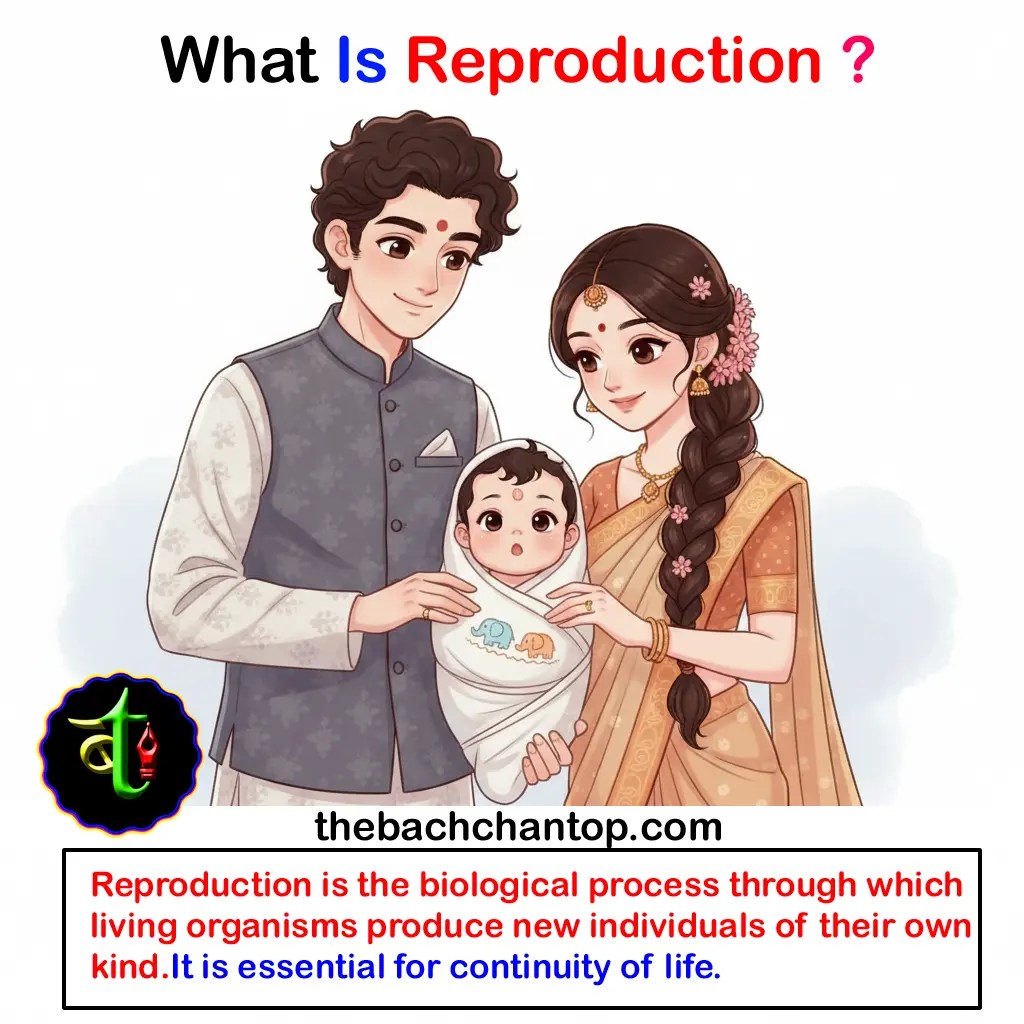
Types of Reproduction
1) Asexual Reproduction
- Involves one parent
- No formation of sex cells
- No fusion of gametes
- Offspring are genetically identical (clones)
- Methods: Fission, budding, fragmentation, spore formation, vegetative propagation
2) Sexual Reproduction
- Involves two parents
- Fusion of male and female gametes → fertilization
- Offspring show genetic variations
- Seen in humans, animals, flowering plants

2. What is a Reproductive System?
A reproductive system is a group of organs in the body that work together to:
- Produce gametes (sperm/ovum)
- Nourish and protect them
- Help in fertilization
- Support the continuation of the species
In humans:
- Male reproductive system → Produces sperms
- Female reproductive system → Produces ova (eggs)
This chapter deals with male reproductive system in detail.
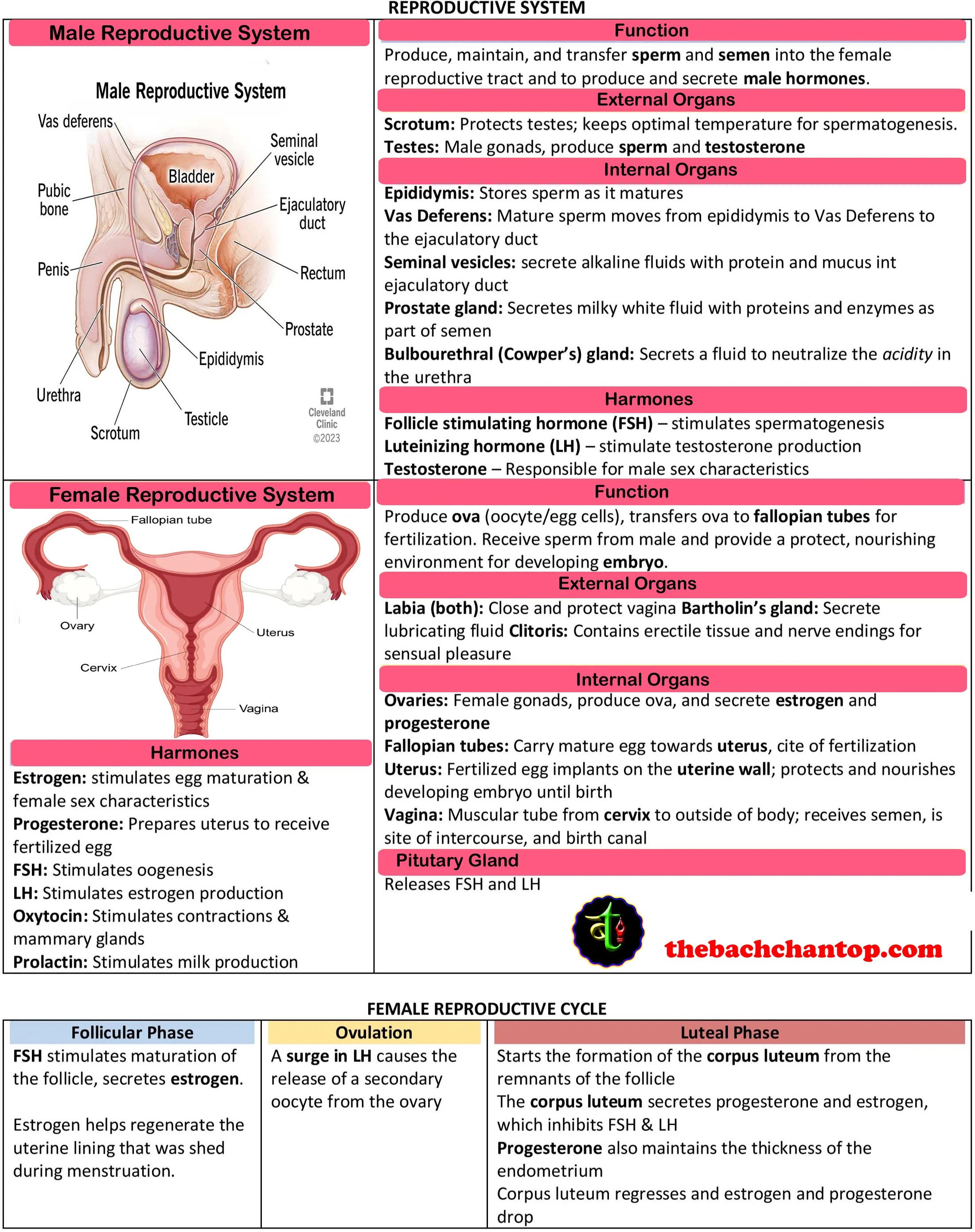
3. Male Reproductive System (Structure + Function)
The male reproductive system consists of:
- Testes
- Scrotum
- Epididymis
- Vas deferens (Sperm duct)
- Seminal vesicles
- Prostate gland
- Bulbourethral glands (Cowper’s glands)
- Urethra
- Penile structure (external organ) → explained medically & non-explicitly

3.1 Testes (Primary Male Reproductive Organ)
Structure
- A pair of oval-shaped organs
- Present inside the scrotum
- Each testis contains many seminiferous tubules where sperms are produced
Functions
- Production of sperms (spermatogenesis)
- Production of male hormone TESTOSTERONE
Hormone Released
- Testosterone
- Develops male secondary sexual characters
(facial hair, deep voice, body growth) - Regulates sperm production
- Develops male secondary sexual characters
3.2 Scrotum
Structure
- A pouch of skin located outside the body cavity
- Holds the testes
Function
- Maintains a temperature 2–3°C lower than body temperature
→ essential for healthy sperm formation
3.3 Epididymis
Structure
- A long coiled tube attached to each testis
Functions
- Stores sperms temporarily
- Allows sperms to mature and develop motility
3.4 Vas Deferens (Sperm Duct)
Structure
- A muscular tube connecting the epididymis to the urethra
Function
- Transports mature sperms during ejaculation
(a biological process of releasing semen)
3.5 Accessory Glands of Male Reproductive System
These glands produce seminal fluid which nourishes and protects sperm.
A) Seminal Vesicles
- Produce seminal fluid rich in fructose
- Function:
- Gives energy to sperms
- Makes sperm transport easier
B) Prostate Gland
- Produces a milky, alkaline fluid
- Functions:
- Protects sperms in the acidic environment of the female tract
- Helps in sperm motility
C) Bulbourethral (Cowper’s) Glands
- Produce a clear alkaline secretion
- Function:
- Lubricates and neutralizes the urethra before sperm release
3.6 Urethra
Structure
- A tube running through the penis
Functions
- Carries urine (excretory function)
- Carries semen (reproductive function)
→ but not simultaneously
3.7 Penis (External Organ – medically described)
Structure
- Cylindrical organ containing blood vessels and urethra
Functions
- Transfers semen into the female reproductive tract
- Excretes urine
Note: Explanations are purely anatomical and educational as per Class 10 NCERT guidelines.
4. Male Reproductive System Hormones (Summary Table)
| Hormone | Secreted By | Function |
|---|---|---|
| Testosterone | Testes | Secondary sexual characters, sperm production |
| FSH (Follicle Stimulating Hormone) | Pituitary gland | Stimulates sperm formation |
| LH (Luteinizing Hormone) | Pituitary gland | Stimulates testes to release testosterone |
5. Disorders of Male Reproductive System
1. Low Sperm Count
- Causes: Stress, smoking, alcohol, hormones, infections
- Effect: Reduced fertility
2. STDs/STIs (Sexually Transmitted Diseases/Infections)
- AIDS, Syphilis, Gonorrhea, Genital warts, Chlamydia
3. Prostate Problems
- Prostate enlargement (common in older men)
- Prostate cancer (medical attention required)
4. Hormonal Imbalance
- Low testosterone levels
- Leads to mood changes, reduced fertility
5. Urinary Tract Infections (UTI)
- Burning, pain, fever
- Caused by bacterial infection
6. Reproductive Health (For Adolescents)
What is Reproductive Health?
It refers to:
- Physical well-being
- Emotional well-being
- Social well-being
related to sexual and reproductive processes.
Key Components of Reproductive Health
- Hygiene
- Nutrition
- Awareness about puberty
- Emotional stability
- Prevention of STDs
- Respect and safety in relationships
7. Adolescent Awareness & Safety
1. Puberty Changes
- Growth of body
- Changes in voice
- Emotional changes
- Hormonal changes
- Development of reproductive organs
2. Myths vs Facts
- Night emissions (wet dreams) are normal
- Body hair growth is natural
- Mood swings occur due to hormones
3. Personal Hygiene
- Daily bathing
- Clean undergarments
- Safe toilet habits
- Avoid sharing razors/towels
4. Mental & Emotional Health
- Talk to trusted adults
- Avoid peer pressure
- Develop healthy habits
8. Prevention of Reproductive Diseases (STDs, AIDS, etc.)
How STDs Spread
- Unsafe sexual activities
- Sharing needles
- Infected blood transfusion
- From infected mother to child (AIDS)
Prevention Methods
- Use of condoms (barrier method)
- Hygienic practices
- Avoiding multiple partners
- Regular health check-ups
- Proper sterilization of needles
- Awareness & education
Vaccines
- HPV vaccine helps prevent genital warts & some cancers
9. Contraceptive Methods
Contraceptives prevent:
- Unwanted pregnancy
- Spread of infections (some methods)
Contraceptive Methods
- Barrier Methods
- Condoms
- Prevent STDs + pregnancy
- Chemical Methods
- Spermicides (kill sperms)
- Surgical Methods
- Vasectomy (for males)
- Cutting & tying vas deferens
- Permanent method
- Safe, simple surgery
- Vasectomy (for males)
- Natural Methods
- Avoiding sexual activity during fertile period
- Less reliable
10. Additional Important Topics
1. Semen
- Mixture of sperm + fluids from glands
- Provides nutrition & protection
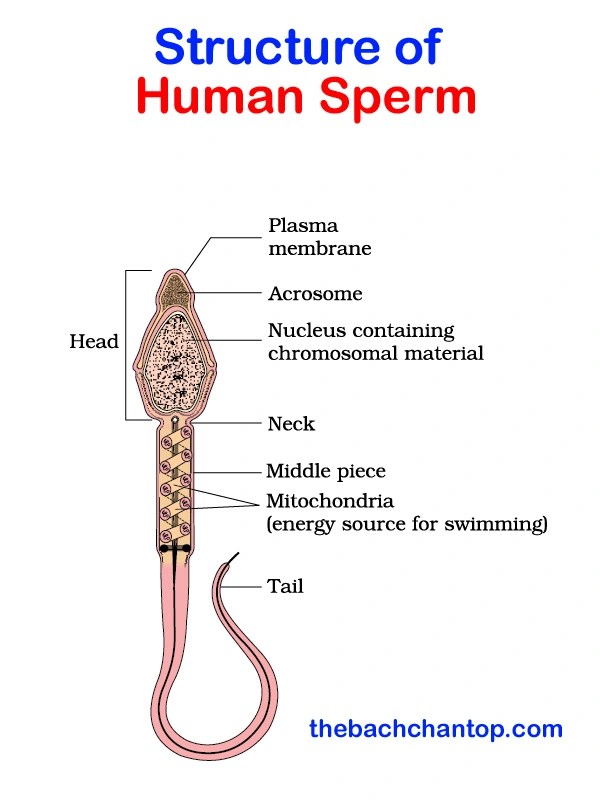
2. Sperm Structure
- Head → contains genetic material
- Middle piece → mitochondria (energy)
- Tail → movement
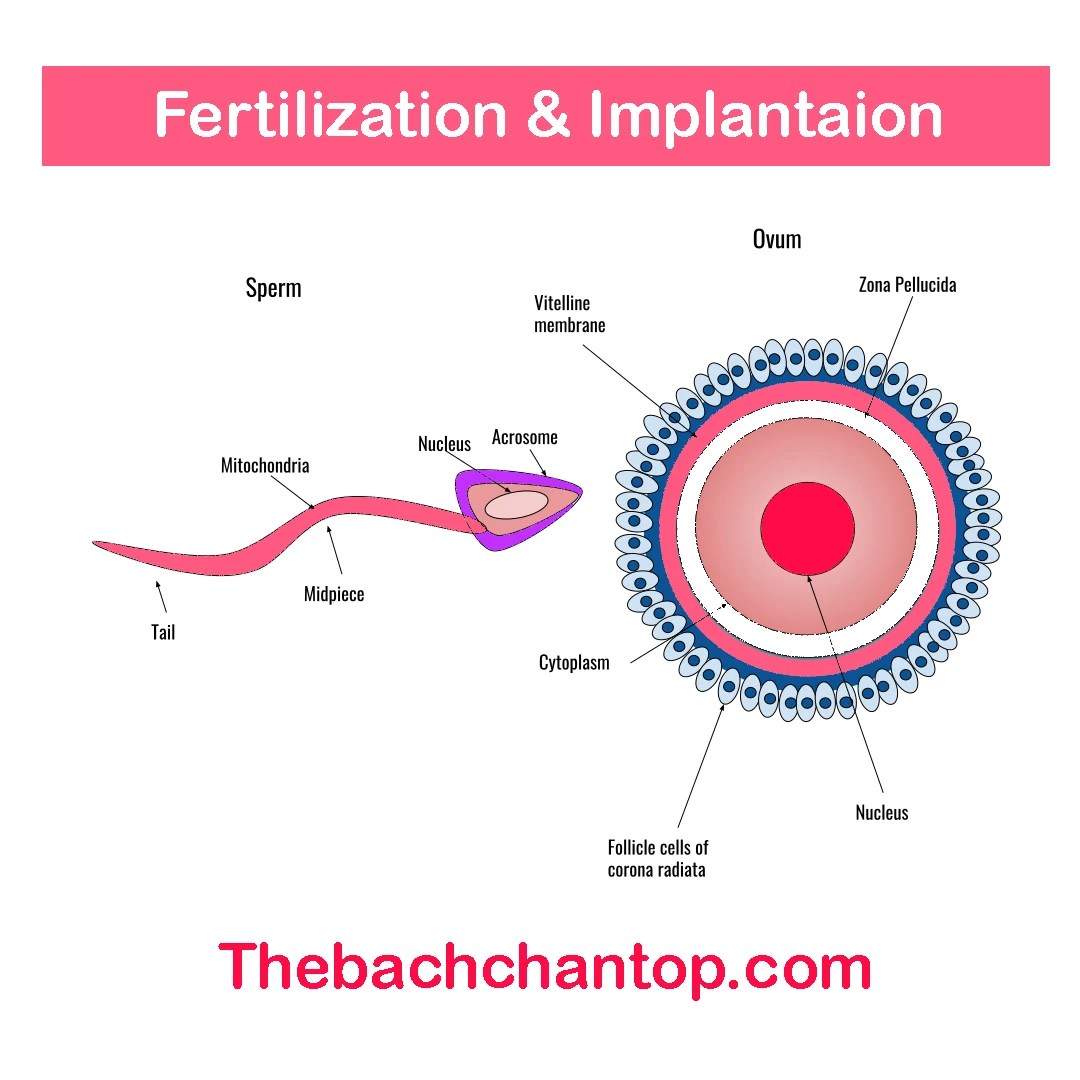
3. Fertilization
- Fusion of sperm with ovum
- Takes place inside the female body
Below is a short, clear, informative Class 9–10 level note on Gametes in English.
4. Gametes – Short Informative Notes
1. What is a Gamete?
A gamete is a special haploid reproductive cell (n) produced during sexual reproduction.
Gametes fuse during fertilization to form a zygote, which develops into a new organism.
- Gametes have half the number of chromosomes compared to normal body cells.
- They are formed by meiosis.
2. Types of Gametes
There are two main types:
(1) Male Gamete – Sperm
- Produced in males
- Small, motile (able to move)
- Formed in testes
(2) Female Gamete – Ovum (Egg)
- Produced in females
- Large, non-motile
- Formed in ovaries
In higher organisms:
This type of gamete formation (two different gametes) is called heterogamy.
3. Structure of Gametes
A) Structure of Sperm (Male Gamete)
- Head → Contains nucleus with genetic material
- Middle Piece → Contains mitochondria (energy for movement)
- Tail (Flagellum) → Helps in movement toward the egg
B) Structure of Ovum (Female Gamete)
- Large spherical cell
- Nucleus with chromosomes
- Cytoplasm (yolk) providing nourishment
- Protective layers around the egg
4. Functions of Gametes
- Carry genetic information from parents
- Fuse during fertilization to form a zygote
- Ensure genetic variation through meiosis
- Transfer hereditary traits to the next generation
11. Conclusion
The male reproductive system is a complex, well-coordinated system responsible for producing, storing, and transporting sperms, and releasing hormones.
Understanding reproductive health helps adolescents stay:
- Safe
- Informed
- Hygienic
- Emotionally balanced
Education and awareness are essential for preventing diseases and promoting a healthy society.
Related Notes


 The Bachchantop
Leave a comment