

Click To Read In English / हिन्दी में पढ़ने के लिए क्लिक करें
- कंप्यूटर का परिचय
- Introduction to Computers
कंप्यूटर का परिचय
1. कंप्यूटर की परिभाषा
कंप्यूटर एक इलेक्ट्रॉनिक उपकरण है जो डेटा को प्रक्रिया करके उपयोगी जानकारी में परिवर्तित करता है। यह निर्देशों के एक सेट (जिसे प्रोग्राम कहते हैं) के आधार पर कार्य करता है। कंप्यूटर के मुख्य कार्य इस प्रकार हैं:
- इनपुट: डेटा को इनपुट डिवाइस के माध्यम से स्वीकार करना।
- प्रोसेसिंग: डेटा पर गणनाएँ या संचालन करना।
- स्टोरेज: डेटा और निर्देशों को संग्रहीत करना।
- आउटपुट: परिणामों को आउटपुट डिवाइस के माध्यम से प्रदर्शित करना।
- नियंत्रण: यह सुनिश्चित करना कि सभी घटक समन्वय में काम करें।
2. कंप्यूटर का इतिहास और विकास
कंप्यूटर का इतिहास पाँच पीढ़ियों में विभाजित किया जा सकता है, प्रत्येक में महत्वपूर्ण तकनीकी प्रगति हुई।
a. पहली पीढ़ी (1940-1956): वैक्यूम ट्यूब्स
- सर्किटरी के लिए वैक्यूम ट्यूब्स और मैग्नेटिक ड्रम्स का उपयोग किया गया।
- यह मशीनें विशाल, महंगी, और बहुत अधिक ऊर्जा खपत करने वाली थीं।
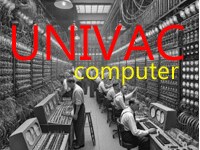
- उदाहरण: ENIAC, UNIVAC।
b. दूसरी पीढ़ी (1956-1963): ट्रांजिस्टर
- ट्रांजिस्टर ने वैक्यूम ट्यूब्स की जगह ली, जिससे कंप्यूटर छोटे, तेज और अधिक विश्वसनीय हो गए।
- असेंबली भाषा और उच्च-स्तरीय प्रोग्रामिंग भाषाओं (जैसे COBOL और FORTRAN) का विकास हुआ।
- उदाहरण: IBM 1401।
c. तीसरी पीढ़ी (1964-1971): इंटीग्रेटेड सर्किट्स (ICs)
- आईसी ने ट्रांजिस्टर की जगह ली, जिससे कई घटकों को एक ही चिप में जोड़ा जा सका।
- कंप्यूटर छोटे, अधिक कुशल और सस्ते हो गए।
- उदाहरण: IBM 360 सीरीज।
d. चौथी पीढ़ी (1971-वर्तमान): माइक्रोप्रोसेसर
- माइक्रोप्रोसेसर का परिचय, जिसने पूरे सीपीयू को एक ही चिप में समाहित कर दिया।
- व्यक्तिगत कंप्यूटर (PC) का निर्माण संभव हुआ।
- उदाहरण: Apple I, IBM PC।
e. पाँचवीं पीढ़ी (वर्तमान और भविष्य): कृत्रिम बुद्धिमत्ता (AI)
- फोकस एआई, मशीन लर्निंग और क्वांटम कंप्यूटिंग पर है।
- प्राकृतिक भाषा प्रसंस्करण, रोबोटिक्स, और उन्नत एल्गोरिदम की विशेषता।
- उदाहरण: IBM Watson, Google DeepMind।
3. कंप्यूटर की विशेषताएँ
- गति: कंप्यूटर डेटा को माइक्रोसेकंड, नैनोसेकंड, या पिकोसेकंड में प्रोसेस करता है।
- सटीकता: यदि निर्देश सही हैं, तो त्रुटियाँ न्यूनतम होती हैं।
- स्वचालन: एक बार प्रोग्रामिंग होने पर, कंप्यूटर मानव हस्तक्षेप के बिना कार्य कर सकता है।
- संग्रहण: डेटा और निर्देशों को बड़ी मात्रा में संग्रहीत कर सकता है।
- बहुमुखी प्रतिभा: कई प्रकार के कार्यों को करने में सक्षम।
- संप्रेषणीयता: नेटवर्क के माध्यम से संसाधनों को जोड़ने और साझा करने की क्षमता।
- मल्टीटास्किंग: एक साथ कई कार्यों को संभालने की क्षमता।
4. कंप्यूटर के प्रकार
- सुपरकंप्यूटर
- अत्यंत शक्तिशाली और महंगे मशीनें।
- जटिल वैज्ञानिक गणनाओं, मौसम पूर्वानुमान और सिमुलेशन के लिए उपयोग किया जाता है।
- उदाहरण: Summit, Fugaku।
- मेनफ्रेम कंप्यूटर
- बड़े, शक्तिशाली सिस्टम जो संगठनों द्वारा भारी डेटा प्रोसेसिंग के लिए उपयोग किए जाते हैं।
- सैकड़ों उपयोगकर्ताओं को एक साथ समर्थन करते हैं।
- उदाहरण: IBM Z सीरीज।
- मिनीकंप्यूटर
- विशिष्ट कार्यों के लिए उपयोग की जाने वाली मध्यम आकार की मशीनें।
- उदाहरण: PDP-8।
- पर्सनल कंप्यूटर (PC)
- व्यक्तिगत उपयोग के लिए सामान्यत: उपयोग किया जाता है।
- उदाहरण: डेस्कटॉप, लैपटॉप, टैबलेट।
- वर्कस्टेशन
- तकनीकी या वैज्ञानिक अनुप्रयोगों के लिए उच्च-प्रदर्शन पीसी।
- एनिमेशन, 3डी मॉडलिंग और इंजीनियरिंग में उपयोग किया जाता है।
- एम्बेडेड कंप्यूटर
- विशिष्ट कार्यों को करने के लिए अन्य उपकरणों के भीतर पाए जाते हैं।
- उदाहरण: कारों, वाशिंग मशीनों में माइक्रोकंट्रोलर।
5. कंप्यूटर के अनुप्रयोग
- शिक्षा
- ऑनलाइन शिक्षण प्लेटफॉर्म, सिमुलेशन और शोध उपकरण।
- स्वास्थ्य सेवा
- मेडिकल इमेजिंग, रोगी रिकॉर्ड और रोबोटिक सर्जरी।
- व्यवसाय
- लेखांकन, पेरोल, डेटा विश्लेषण और ग्राहक प्रबंधन प्रणाली।
- मनोरंजन
- गेमिंग, वीडियो संपादन और स्ट्रीमिंग प्लेटफॉर्म।
- वैज्ञानिक अनुसंधान
- सिमुलेशन, डेटा मॉडलिंग और एआई अनुसंधान।
- परिवहन
- नेविगेशन सिस्टम, यातायात नियंत्रण और लॉजिस्टिक्स प्रबंधन।
- संचार
- ईमेल, सोशल मीडिया और वीडियो कॉन्फ्रेंसिंग।
- रक्षा
- मिसाइल गाइडेंस सिस्टम, निगरानी और साइबर सुरक्षा।
Introduction to Computers
1. Definition of a Computer
A computer is an electronic device that processes data to produce meaningful information. It performs operations based on a set of instructions called a program. The primary functions of a computer are:
- Input: Accepting data from input devices.
- Processing: Performing calculations or operations on the data.
- Storage: Saving data and instructions.
- Output: Displaying results through output devices.
- Control: Directing the manner in which all components work together.
2. History and Evolution of Computers
The history of computers can be divided into five generations, each characterized by significant technological advancements.
a. First Generation (1940-1956): Vacuum Tubes
- Computers used vacuum tubes for circuitry and magnetic drums for memory.
- Machines were enormous, expensive, and consumed a lot of power.
- Example: ENIAC, UNIVAC.
b. Second Generation (1956-1963): Transistors
- Transistors replaced vacuum tubes, making computers smaller, faster, and more reliable.
- Assembly language and high-level programming languages (like COBOL and FORTRAN) emerged.
- Example: IBM 1401.
c. Third Generation (1964-1971): Integrated Circuits (ICs)
- ICs replaced transistors, integrating multiple components into a single chip.
- Computers became smaller, more efficient, and affordable.
- Example: IBM 360 series.
d. Fourth Generation (1971-Present): Microprocessors
- Introduction of microprocessors, integrating an entire CPU onto a single chip.
- Enabled the creation of personal computers (PCs).
- Example: Apple I, IBM PC.
e. Fifth Generation (Present and Beyond): Artificial Intelligence
- Focus on AI, machine learning, and quantum computing.
- Features natural language processing, robotics, and advanced algorithms.
- Example: IBM Watson, Google DeepMind.
3. Characteristics of Computers
- Speed: Computers process data at incredible speeds, measured in microseconds, nanoseconds, or even picoseconds.
- Accuracy: Minimal errors when instructions are correct.
- Automation: Once programmed, computers can operate without human intervention.
- Storage: Large storage capacity for data and instructions.
- Versatility: Capable of performing a wide range of tasks.
- Connectivity: Ability to connect and share resources over networks.
- Multitasking: Handling multiple tasks simultaneously.
4. Types of Computers
- Supercomputers
- Extremely powerful and expensive machines.
- Used for complex scientific computations, weather forecasting, and simulations.
- Example: Summit, Fugaku.
- Mainframe Computers
- Large, powerful systems used by organizations for bulk data processing.
- Support hundreds of users simultaneously.
- Example: IBM Z series.
- Minicomputers
- Mid-sized machines used for specific tasks.
- Example: PDP-8.
- Personal Computers (PCs)
- Commonly used by individuals.
- Examples: Desktops, laptops, tablets.
- Workstations
- High-performance PCs for technical or scientific applications.
- Used in fields like animation, 3D modeling, and engineering.
- Embedded Computers
- Found within other devices to perform specific functions.
- Examples: Microcontrollers in cars, washing machines.
5. Applications of Computers
- Education
- Online learning platforms, simulations, and research tools.
- Healthcare
- Medical imaging, patient records, and robotic surgeries.
- Business
- Accounting, payroll, data analysis, and customer management systems.
- Entertainment
- Gaming, video editing, and streaming platforms.
- Scientific Research
- Simulations, data modeling, and AI research.
- Transportation
- Navigation systems, traffic control, and logistics management.
- Communication
- Email, social media, and video conferencing.
- Defense
- Missile guidance systems, surveillance, and cybersecurity.











 The Bachchantop
Leave a reply to Computer mcq questions with answers topicwise – The Bachchantop Cancel reply